
 0
0
 0
0
Rising electricity bills push homeowners to rethink outdoor lighting choices. You face a critical decision between solar motion sensor lights and traditional normal lights. Each option promises different benefits for your property.
Understanding energy consumption patterns helps you make smart choices. This comparison reveals how each lighting solution impacts your electricity usage and monthly costs. The right decision depends on your specific needs and property layout.
How Solar Motion Sensor Lights Work
Solar security lights capture sunlight through photovoltaic panels during daytime hours. These panels convert solar energy into electrical power stored in rechargeable batteries. The system operates completely independent from your home’s electrical grid.
Motion detection technology activates the lights when movement occurs within the sensor range. PIR sensors detect infrared radiation from people or animals approaching your property. The lights remain off otherwise, conserving battery power for actual security needs.
Key Components of Solar Security Lighting
- Solar panels that charge throughout daylight hours
- LED bulbs providing bright illumination with minimal power draw
- Motion sensors with adjustable detection ranges
- Rechargeable batteries storing converted solar energy
- Weather-resistant housing protecting internal components
Energy Consumption Pattern
Solar lights use zero electricity from your utility provider. The sun provides all necessary power without adding costs to your monthly bill. This makes them ideal for outdoor spaces where wiring proves difficult or expensive.
Battery capacity determines operational time after dark. Most quality models provide 8-12 hours of standby time. Motion activation extends battery life significantly compared to continuous operation.
Calculate Your Potential Energy Savings
Discover how much electricity you could save by switching to solar motion sensor lights. Our free calculator provides personalized estimates based on your property size and current lighting setup.
How Normal Lights Work for Outdoor Lighting
Traditional outdoor lighting connects directly to your home’s electrical system. These fixtures draw continuous power from the grid whenever activated. Professional installation often requires running electrical wiring to each light location.
Normal lights operate through manual switches, timers, or basic light sensors. Many homeowners leave security lights running throughout the night. This approach ensures constant illumination but significantly increases energy consumption.
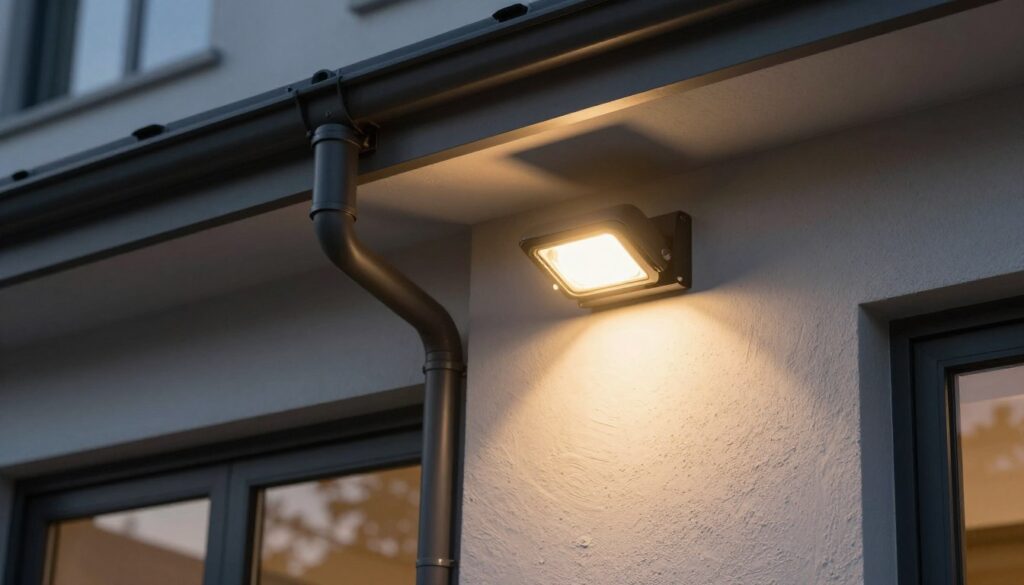
Power Requirements and Usage
Electricity costs vary based on bulb type and operational hours. LED models consume less power than older halogen or incandescent options. However, all normal lights add measurable charges to your electricity bill.
A typical outdoor security light uses 10-40 watts per hour depending on the bulb. Running just three lights for 10 hours nightly costs approximately $15-60 monthly. Annual costs quickly accumulate for homeowners with extensive outdoor lighting needs.
| Light Type | Wattage | Daily Runtime | Monthly Cost | Annual Cost |
| LED Security Light | 15W | 10 hours | $5.40 | $64.80 |
| Halogen Security Light | 40W | 10 hours | $14.40 | $172.80 |
| Solar Motion Sensor | 0W (Grid) | On-demand | $0.00 | $0.00 |
Installation and Maintenance Needs
Normal lights require professional installation in most cases. Electricians must run wiring from your electrical panel to each fixture location. This process increases upfront costs significantly compared to solar solutions.
Regular maintenance includes bulb replacement and electrical inspections. Weather exposure can damage wiring over time. These factors create ongoing costs beyond basic electricity consumption.
Direct Electricity Savings Comparison
Solar motion sensor lights eliminate electricity costs completely for outdoor security lighting. Normal lights continue adding charges every billing cycle. The difference becomes substantial over months and years of operation.
Solar Motion Sensor Advantages
- Zero ongoing electricity costs from utility provider
- Motion detection reduces unnecessary power consumption
- No installation wiring expenses for electrical connections
- Battery backup provides light during power outages
- Environmental impact reduced through renewable energy use
Normal Lights Considerations
- Predictable illumination regardless of weather conditions
- Stronger consistent light output for large outdoor spaces
- No dependence on sunlight availability or battery capacity
- Integration with existing home security systems easier
- Multiple models available at various price points
Annual Savings Breakdown
A property with five outdoor security lights saves $300-800 annually by switching to solar motion sensor models. These calculations assume 10-hour nightly operation for traditional lights. Solar models eliminate this entire expense through free solar energy.
Return on investment typically occurs within 2-3 years for most homeowners. The initial purchase price of solar lights gets recovered through eliminated electricity costs. Additional savings continue accumulating for the entire lifespan of the fixtures.
Benefits of Solar Motion Sensor Security Lights
- Complete elimination of electricity costs for outdoor lighting
- Simple installation without professional electrician requirements
- Motion activation extends battery life significantly
- Environmentally friendly renewable energy source
- Continued operation during electrical power outages
- Lower long-term maintenance expenses
Limitations of Solar Security Solutions
- Performance depends on adequate sunlight exposure daily
- Battery degradation requires replacement every 2-4 years
- Light output may decrease during extended cloudy weather
- Initial purchase cost higher than basic wired models
- Motion sensor range limitations in some budget options
Complete Cost Analysis Beyond Electricity Bills
Total ownership costs include purchase price, installation, maintenance, and operational expenses. Solar motion sensor lights typically cost $25-150 per fixture depending on quality and features. Professional installation isn’t necessary, saving $100-300 per light location.
Normal lights range from $15-100 for the fixture alone. Professional installation adds $150-400 per location for wiring and electrical work. These upfront costs often exceed solar options when installation expenses factor in.
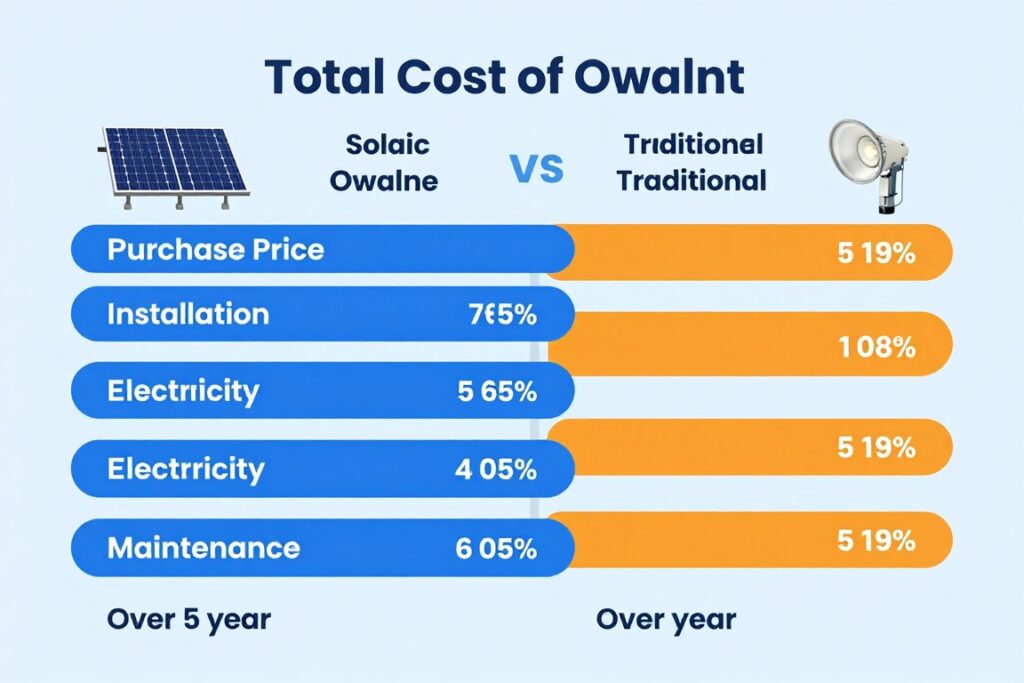
Five-Year Ownership Comparison
| Cost Category | Solar Motion Sensor | Normal LED Light | Savings |
| Initial Purchase (5 lights) | $375 | $250 | -$125 |
| Installation Costs | $0 | $1,250 | +$1,250 |
| Electricity (5 years) | $0 | $1,620 | +$1,620 |
| Maintenance & Batteries | $150 | $75 | -$75 |
| Total 5-Year Cost | $525 | $3,195 | +$2,670 |
Long-Term Value Considerations
Property value increases when modern security lighting systems get installed. Solar solutions appeal to environmentally conscious buyers. Energy-efficient features become selling points during real estate transactions.
LED solar lights typically last 5-10 years with proper care. Normal lights offer similar LED lifespan but continue generating electricity costs throughout their operational life. The cumulative savings from solar models compound over time.
Practical Considerations for Choosing Your Security Solution
Location determines whether solar lights perform optimally on your property. Driveways, garden paths, and wall-mounted positions near roof overhangs provide excellent solar panel exposure. Shaded areas under trees or covered porches reduce charging efficiency.
Weather and Climate Factors
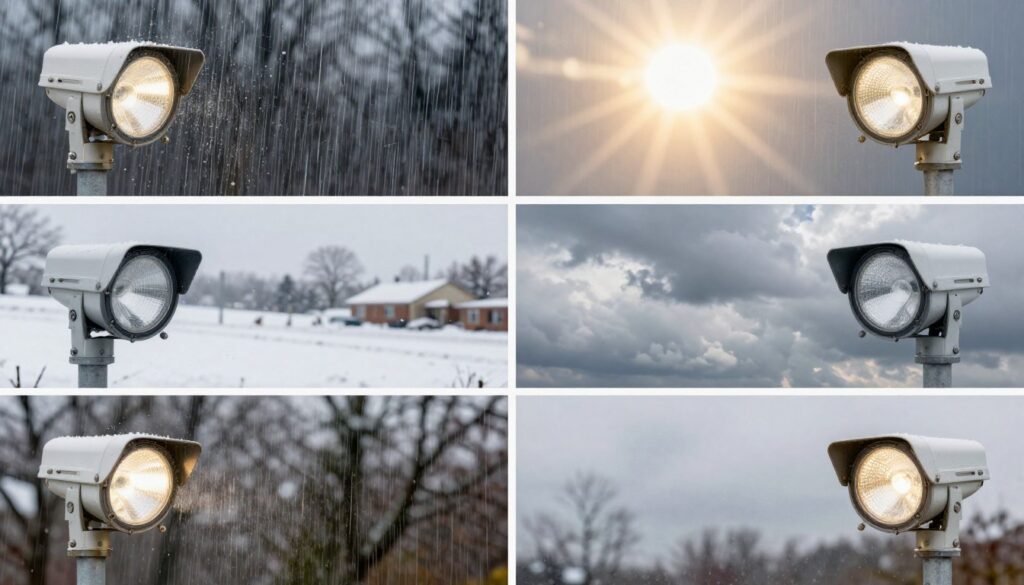
Solar charging efficiency varies by geographic location and seasonal sunlight patterns. Southern regions with abundant sunshine year-round maximize solar light performance. Northern climates experience reduced winter charging during shorter daylight periods.
Quality solar models include weather-resistant features for outdoor durability. IP65 or IP66 ratings protect internal components from rain, snow, and dust. Normal lights require similar weatherproofing but face additional vulnerability from exposed wiring.
Home Security Integration
Smart home systems increasingly support both lighting types through remote control features. Solar models with WiFi connectivity allow mobile app management. Normal lights integrate more easily with existing wired security systems and central control panels.
Motion detection serves dual purposes for security and energy efficiency. Lights activate only when needed, alerting homeowners to property activity. This feature proves valuable regardless of power source but particularly benefits solar battery conservation.
Best Uses for Solar Motion Sensor Lights
- Driveways and pathways with good sun exposure
- Garden areas and outdoor spaces away from main electrical panel
- Rental properties where installation flexibility matters
- Remote locations without easy electrical access
- Environmentally focused home security solutions
- Properties seeking to reduce ongoing operational costs
Best Uses for Traditional Normal Lights
- Covered areas with limited direct sunlight exposure
- Locations requiring continuous bright illumination
- Integration with existing wired security systems
- Commercial properties with professional lighting requirements
- Regions with extended periods of cloudy weather
- Applications where maximum consistent brightness matters
Environmental Impact and Sustainability
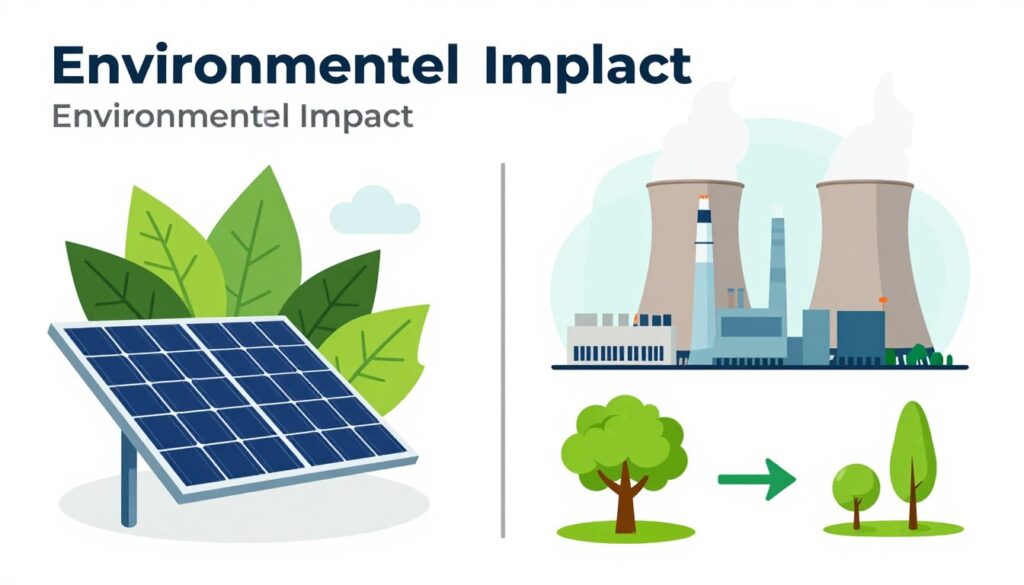
Solar motion sensor lights reduce carbon footprint through renewable energy use. Each fixture eliminates approximately 150-300 pounds of CO2 emissions annually compared to grid-powered alternatives. This environmental benefit appeals to homeowners prioritizing sustainability.
Manufacturing processes impact both lighting types. Solar models require battery production, which involves resource extraction. Normal lights avoid batteries but create ongoing fossil fuel consumption through grid electricity usage in many regions.
Renewable Energy Benefits
Solar technology contributes to grid independence for outdoor lighting needs. Power outages don’t affect solar security lights since they operate independently. This resilience provides both environmental and practical advantages during emergency situations.
LED technology in both light types offers significant efficiency improvements over older bulb options. Modern LED solar lights use 80% less energy than equivalent halogen models. LED normal lights provide similar efficiency gains while still drawing from the electrical grid.
Sustainability Tip: Combining solar motion sensor lights for security with normal lights for specific high-use areas creates a balanced approach. This hybrid strategy maximizes electricity savings while maintaining illumination where constant light proves necessary for daily activities.
Regular Maintenance and Lifespan Expectations
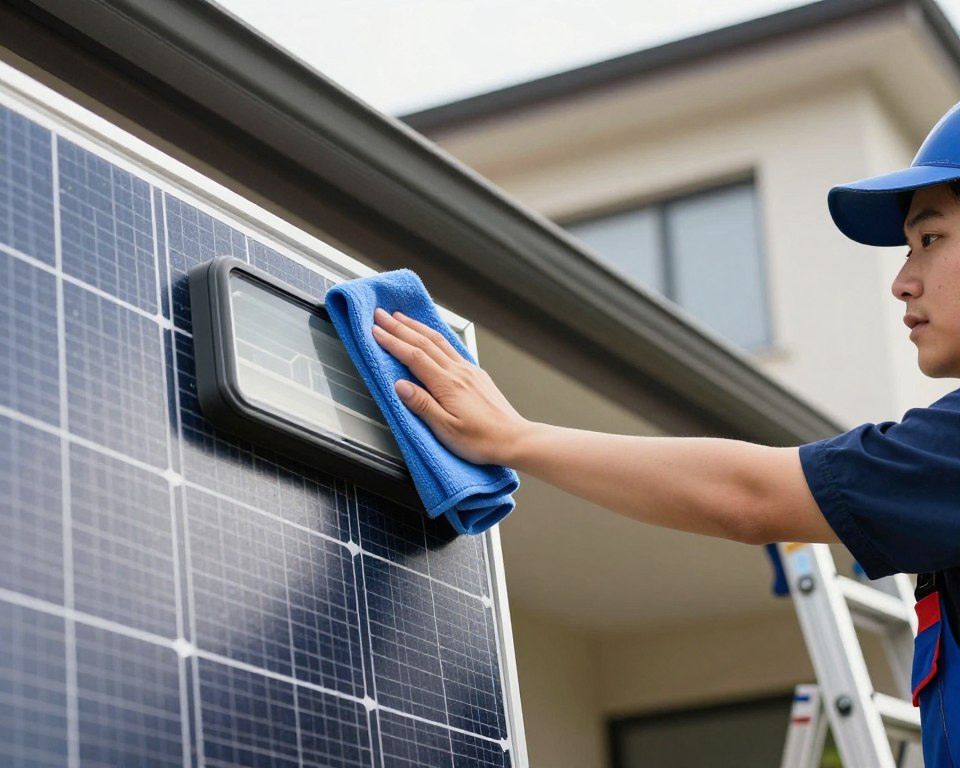
Solar lights require minimal ongoing maintenance beyond occasional cleaning. Solar panels collect dust and debris that reduce charging efficiency. Wiping panels every 2-3 months maintains optimal performance throughout the year.
Battery replacement represents the primary maintenance expense for solar models. Most rechargeable batteries last 2-4 years before capacity diminishes noticeably. Replacement batteries cost $10-25 per fixture depending on model specifications.
Solar Light Maintenance Tasks
- Clean solar panels quarterly for maximum charging
- Check motion sensor functionality twice yearly
- Replace batteries every 2-4 years as needed
- Inspect weatherproof seals annually
- Clear vegetation blocking solar panel exposure
Normal Light Maintenance Tasks
- Replace LED bulbs every 3-5 years
- Inspect electrical connections annually
- Test ground fault protection systems
- Clean fixtures and lenses seasonally
- Monitor for wiring damage from weather
Expected Lifespan Differences
Quality solar security lights last 5-10 years with proper maintenance. LED components typically outlive battery systems. The overall fixture remains functional after battery replacement, extending total lifespan significantly.
Normal lights achieve similar 5-10 year operational periods. LED technology provides extended bulb life compared to traditional options. Electrical components may require professional attention over time, particularly in harsh weather climates.
Compare Top-Rated Security Lighting Options
Browse our curated selection of solar motion sensor lights and traditional security lighting solutions. Each product includes detailed specifications, customer reviews, and energy consumption data to help you make the right choice.
Make the Right Choice for Your Property
Your specific situation determines which lighting solution saves more electricity and money overall. Solar motion sensor lights win for most residential outdoor security applications. The combination of zero electricity costs and minimal installation expenses creates substantial long-term value.
Properties with adequate sunlight exposure achieve maximum benefits from solar technology. Homeowners seeking immediate electricity bill reduction should prioritize solar models for driveways, walkways, and perimeter security lighting.
Decision Framework

Choose Solar Motion Sensor When
- Reducing electricity bills is your primary goal
- Installation locations receive 4+ hours of daily sunlight
- You want simple DIY installation without electricians
- Environmental impact matters in your decision
- Motion-activated security lighting meets your needs

Choose Normal Lights When
- Constant illumination is required for safety or tasks
- Installation areas have limited sunlight exposure
- Integration with existing security systems is needed
- Maximum consistent brightness is essential
- Professional installation is already planned
Hybrid Approach Benefits
- Maximize electricity savings where possible
- Maintain reliability in critical security zones
- Balance upfront costs with long-term value
- Adapt to different property areas appropriately
- Optimize both efficiency and performance
Final Electricity Savings Verdict
Solar motion sensor lights save more electricity in virtually every comparison scenario. These fixtures eliminate 100% of outdoor security lighting electricity consumption. The average household saves $300-800 annually by switching from traditional outdoor lights to solar motion sensor models.
Normal lights continue serving specific applications where their characteristics prove necessary. However, from a pure electricity savings perspective, solar technology wins decisively. The initial investment pays for itself through eliminated utility charges within 2-3 years for most homeowners.
Smart property owners now combine both technologies strategically. Solar motion sensor lights handle security and pathway illumination. Normal lights serve areas requiring constant brightness or lacking adequate sun exposure.
This balanced approach maximizes electricity savings while maintaining comprehensive outdoor lighting coverage.